Is Toenail Fungus Bad?
 By Diane Corwell · Published October 24, 2026 · 6 min read
Toenail fungus is bad news for the nail: it rarely goes away on its own, it spreads to other nails and it thickens until shoes hurt. It becomes a real health risk if you have diabetes, poor circulation or a weak immune system, because cracked nails and skin can let bacteria in. The earlier you start, while it's one thin nail, the easier it is.
"Is it bad?" was the first thing I typed into Google too. Not "how do I treat it." I wanted to know if I should be scared.
The honest answer has two parts: what it means for most people, and the specific situations where it really matters.
For most people: it won't go away on its own
In a healthy adult, toenail fungus usually stays in the nail and won't make you sick the way a fever does. The trouble is what it does to the nail and the skin around it, year after year.
What it does do:
- Spreads to other toenails and to the skin as athlete's foot, and to people you share a shower with. More in can toenail fungus spread.
- Thickens the nail until it presses in shoes, hurts when you walk and is hard to cut.
- Gets worse slowly if you leave it, which makes it harder to deal with later.
- Costs you sandals, pools, pedicures. The research on quality of life is clear that the embarrassment is real, especially for women.
When toenail fungus is dangerous
It's a different story if any of these apply to you:
| If you have | Why it matters |
|---|---|
| Diabetes | Thick, sharp nails and cracked skin can cut or break the skin, and you may not feel it. A small wound can become a foot ulcer. More in is toenail fungus dangerous for diabetics. |
| Poor circulation | Skin heals slowly, so a crack near the nail can turn into an infection. |
| A weak immune system (chemotherapy, transplant, some medicines) | Fungus and bacteria have an easier time spreading. |
The complication to know about is cellulitis, a bacterial skin infection. It starts with redness that spreads, warmth, swelling and pain, sometimes fever.
What happens if you leave toenail fungus untreated?
- The nail keeps thickening and may separate from the skin.
- More nails get involved over the years.
- Athlete's foot keeps coming back from the infected nail.
- Trimming gets harder every year.
It rarely clears on its own. That's the main reason to start early, while it's one nail and still thin.
Is toenail fungus medicine bad for you?
Prescription pills can affect the liver and interact with other medicines, which is a big reason many people start with a daily routine at home instead. More in do toenail fungus pills work.
What to do now
- Start a daily routine while it's mild: file the thick nail, keep feet dry, and treat the nail and the skin around it every day. The steps are in my guide to getting rid of toenail fungus.
- Stop it spreading: shower shoes, your own clippers and towels.
- With diabetes or a weak immune system, check your feet every day.
For the daily step, this is what I'd look at first:
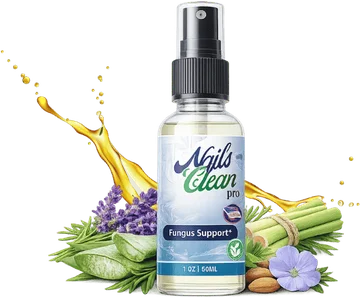
Nails Clean Pro, the spray
- Undecylenic acid is the key ingredient on the label, with lavender, clove and camphor oils
- A quick spray once a day on the nail and the skin around it, no brush and no mess
- About $1.63 a day on the 6-bottle pack, free US shipping on 3 or 6 bottles
Prefer an oil? Read my Kerassentials review.
Questions people ask
Can toenail fungus make you sick?
In healthy people it stays in the nail, so it won't make you sick the way a fever does. The real risk is a bacterial skin infection through cracked skin, mainly with diabetes, poor circulation or weak immunity, which is one more reason to treat the nail early.
Can toenail fungus spread to your blood?
In healthy people it stays on the surface. Serious spread is very rare and happens when the immune system is severely weakened. What it does spread to is other nails and the skin, so treating it early still matters.
Is it OK to leave toenail fungus untreated?
It rarely goes away by itself. Left alone, it usually thickens, spreads to other nails and keeps athlete's foot coming back, so starting while it's one thin nail is much easier.
Why does toenail fungus hurt?
Usually because the nail has become thick and presses against the shoe or the skin. Filing it thinner helps right away, and a daily treatment lets the new nail grow in thinner.
Diane Corwell writes The Toenail Report. She hid a thick, yellow toenail for years and now helps her diabetic dad with his feet. She is a fact-checker, not a doctor. How this site works
- Cleveland Clinic. Toenail fungus.
- American Academy of Dermatology. Nail fungus: overview.